On This Page

July 16, 20268 min read

Mental health emergencies don’t always look obvious. There’s often no visible injury or dramatic moments, but that doesn’t make them any less serious. When someone feels overwhelmed, panicked, completely shut down, or unable to cope after something stressful happened to them, the way you respond in those first few minutes really matters. Calm, understanding support at the right time can make a huge difference.
This is where Mental Health First Aid comes in, with simple, practical steps that anyone can use to support a person until professional help is available.
In this guide, you’ll learn what mental health first aid is, how to recognise the warning signs, how to respond safely to them, and how to stay calm while supporting someone in emotional distress and more.
Mental Health First Aid is the help offered to a person who is suffering from any mental health problem or their mental health issue is getting worse or someone is developing mental health issues due to some unpleasant incident in life. If a person is suffering from any mental health crisis, and it was triggered due to a certain reason, the first thing you can do is provide them with mental health first aid to help them until professional medical care can be available for them.
Mental Health First Aid does not mean diagnosing, counselling, or providing therapy, rather it's about providing immediate support and guiding the person towards suitable professional help. Basically, first aid is not a replacement of therapy or medical treatment instead, it focuses on three key goals, they are :
Rendering immediate emotional support
Helping the person feel safe and understood
Guiding them towards professional help if needed
It is similar to physical first aid, but the focus is on stabilising emotions, reducing panic, and preventing the situation from getting worse.
Mental health crisis don’t always look dramatic; they often show up quietly, unexpectedly, and in everyday moments. Below is a scenario-style format that helps readers recognise when Mental First Aid can make a meaningful difference.
Situation | What It Looks Like |
Shaken by a Traumatic Experience | After an accident, sudden loss, assault, or shocking event, the person appears disoriented, scared, or frozen. |
Caught in a Panic or Acute Stress Episode | Breathing fast, trembling, feeling faint, or overwhelmed by sudden fear. |
Overtaken by Severe Anxiety | Unable to think clearly, restless, or expressing uncontrollable worry. |
Breaking Down Emotionally | Crying heavily, shaking, or unable to control their emotions. |
Struggling with Disturbing Thoughts | Sharing intrusive, frightening, or distressing thoughts that worry them. |
Suddenly Withdrawing or Shutting Down | Going quiet, avoiding eye contact, or disconnecting from their surroundings. |
Reacting to Something Traumatic They Witnessed | Feeling overwhelmed, upset, or visibly distressed by what they saw. |
While formal MHFA training provides in-depth skills, the core principles can be distilled into a memorable 5-step action plan, often known as ALGEE:
Approach the person calmly and non-judgmentally. Let them know you've noticed that they might be struggling and you're there to listen.
Assess for any immediate risk of harm, either to themselves (e.g., suicidal thoughts) or others. If there's an immediate risk, stay with them and seek urgent professional help (e.g., call emergency services, contact a mental health crisis team).
Assist by removing any potential sources of harm safely, keeping your safety as a priority.
Offer a safe space for the person to express themselves.
Listen actively, without interrupting, offering unsolicited advice, or expressing judgment.
Show empathy and understanding through your body language and verbal affirmations ("I hear you," "That sounds incredibly tough").
Reassure them that they are not alone and help them enhance their self-esteem.
Normalise their experience by explaining that mental health challenges are common and treatable.
Provide accurate, simple information about mental health conditions if appropriate and requested, always steering clear of diagnosis.
Help them to identify their suitable professional resources. This might include their GP, mental health services (NHS IAPT services, local crisis teams), therapists, or counsellors.
Offer practical support in accessing help, such as looking up contact details, offering to accompany them to an appointment (if appropriate), or helping them rehearse what they might say.
Explore other sources of support for them. This could be their family, friends, peer support groups, helplines (like Samaritans or Mind's infoline), self-help strategies, or community services.
Remind them of the importance of self-care, including a healthy diet, regular exercise, and sufficient sleep.
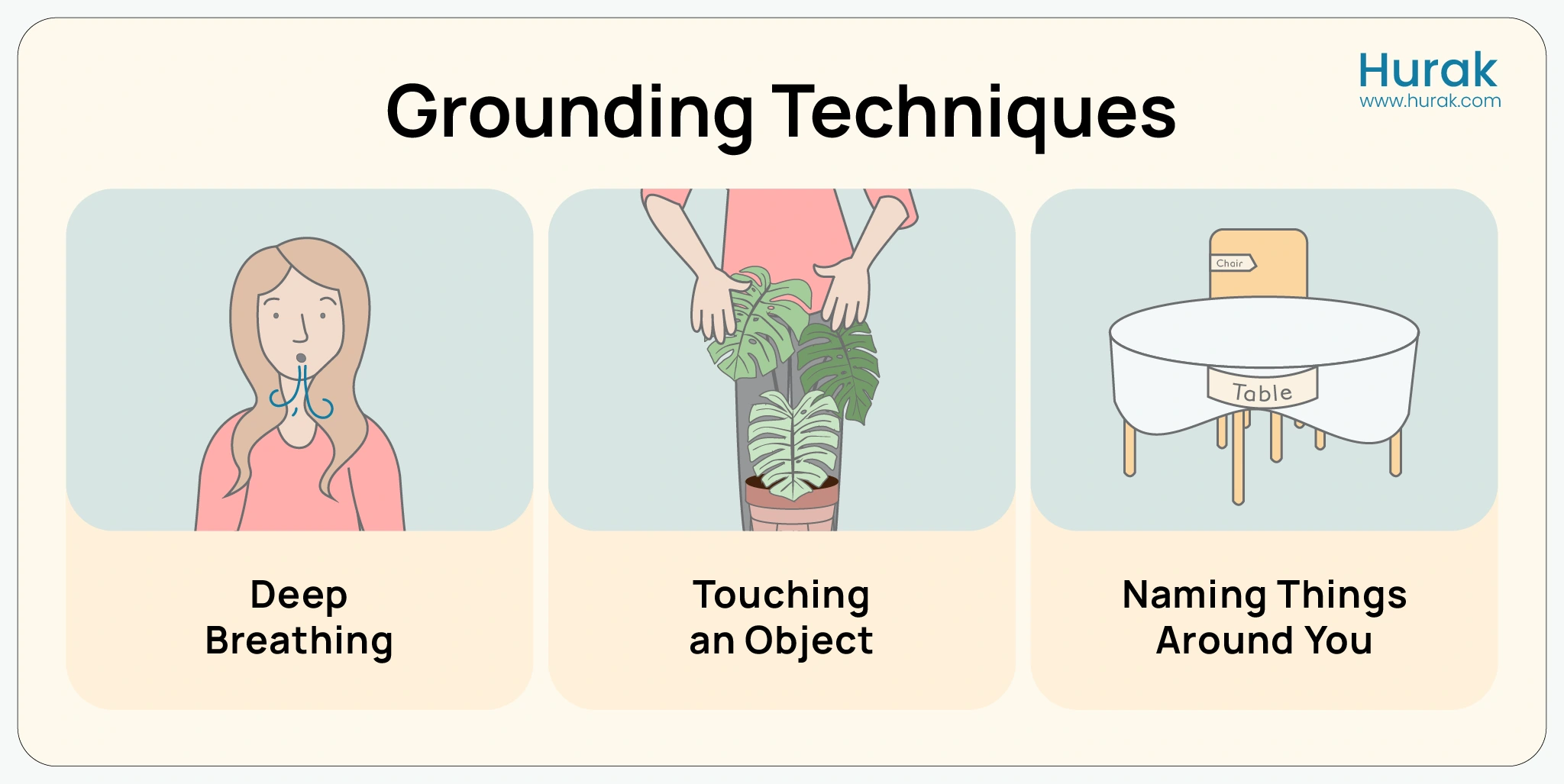
When you are offering support, it’s very important to stay calm and sincere, making sure you don’t unintentionally hurt or trigger that person. There are some behaviours you should avoid:
❌Forcing the person to talk.
❌Offering quick solutions (Like saying “Just think positive”).
❌Leaving them alone during a crisis.
❌Making promises you can’t keep.
❌Panicking or raising your voice.
Mental health problems are becoming more common across the world. As technology advances rapidly, awareness and understanding of mental health are also growing. Still so many people continue to struggle without the right support at the right time.
Since so many people experience mental health challenges today, it is important to have basic knowledge of Mental Health First Aid. This knowledge helps you recognise when someone is struggling and how to respond in a calm, supportive way.
Mental Health First Aid is very important, especially for someone facing a critical moment. In these moments, the right response can make a meaningful difference. And here are some points that can help you to understand why giving mental first aid is important. Mental Health First Aid can:
Reduces the intensity of a crisis
Prevents the person from harming themselves or others
Helps them feel safe and supported
Encourages early intervention
Builds trust and emotional stability
Improves long-term recovery outcomes
Many people don’t reach out for help until someone creates a safe space for them. That someone can be you.
Mental Health First Aid is more than just a course, it's a movement. By empowering with these skills, which can help you to recognise, understand, and respond to mental health challenges that someone is facing, we are building stronger, more compassionate communities. It helps dismantle the stigma surrounding mental illness and ensures that when someone reaches out or shows signs of struggling, there's an informed, caring person ready to provide the vital initial support they need.
The simple act of being there, listening without judgment, and guiding someone towards help can make an immeasurable difference. Investing in Mental Health First Aid training is an investment in human connection, well-being, and ultimately, in saving lives. Let’s commit to being the first line of defence for mental well-being.
No. Mental Health First Aid is immediate support given during a crisis. It helps stabilise the person until they can access professional help such as therapy, counselling, or medical care.
Yes. Anyone can offer basic emotional support by listening, staying calm, and helping the person feel safe. Training helps, but it is not mandatory for providing initial support.
It’s okay to feel unsure. The most important thing is being present and calm. Avoid judgmental or dismissive comments. Simple reassurance like “I’m here with you” is enough.
If the person is talking about harming themselves, showing signs of psychosis, or unable to function, it’s time to call emergency services or seek urgent medical help.
No. Not everyone can talk during a crisis. Let them open up naturally. Your presence is more important than getting details immediately.
Give them space, but stay nearby if they're in distress. Let them know you're available. People often accept help once they feel safe and not pressured.
Stay until they seem calmer and more in control. If you're unsure, wait until another trusted person arrives or until professional help steps in.
Courses
Upskill with job-ready training.
Mock Tests
Measure your learning progress.
Create an online video course, reach students across the globe and earn money