On This Page

July 16, 20269 min read

Stress is the body's natural response to pressure, challenges, or change. It can be triggered by everyday responsibilities at work, school, or home, as well as by unexpected situations such as illness or financial difficulties. When we experience stress, our body releases hormones like adrenaline and cortisol, which prepare us to react; this is often referred to as the fight or flight response.
In small amounts, stress can be beneficial, keeping us alert, focused, and motivated. However, when stress becomes constant or overwhelming, it can negatively impact our mental and physical health, leading to issues like anxiety, fatigue, headaches, and difficulty concentrating. Learning to manage stress through relaxation techniques, healthy habits, and emotional support is essential for maintaining balance and overall well-being.
Stress can originate from various aspects of life, including workplace demands and personal expectations, and it affects individuals in different ways. In today's fast-paced world, many people experience constant pressure to meet deadlines, perform well, and maintain a balance between work and personal life. If not appropriately managed, this pressure can lead to burnout, fatigue, and emotional exhaustion.
Personal and emotional factors significantly impact stress levels. Family responsibilities, relationship conflicts, and caring for loved ones create tension. Financial instability from debt or job insecurity adds pressure, while health concerns, whether chronic or sudden, can disrupt daily routines and increase anxiety.
Stress triggers differ from person to person; what overwhelms one individual might be manageable for another, depending on their coping skills, mindset, and support systems. Recognising your own triggers allows you to take proactive steps, such as setting boundaries or practising relaxation techniques, to manage stress and maintain balance in your daily life.
The way we experience stress largely depends on its type, intensity, and duration. Not all stress is the same; some forms are short-lived and manageable, while others persist and can become harmful over time.
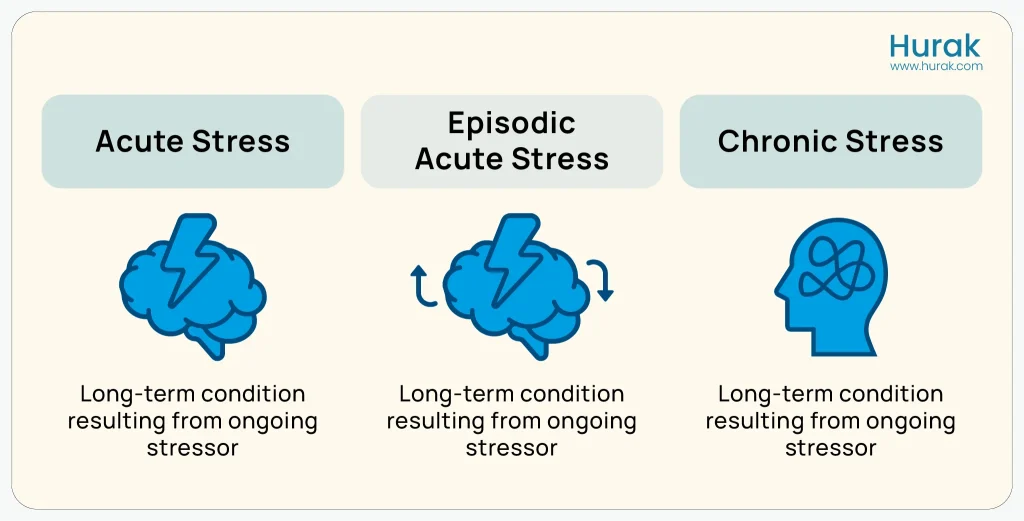
Acute stress is the most common type of stress and typically occurs in response to an immediate challenge or threat. For instance, feeling anxious before a major presentation, job interview, or exam is a form of acute stress. Once the situation is over, the body generally returns to its normal state, and the stress tends to subside. In small amounts, this type of stress can be beneficial, as it motivates us to stay alert and perform at our best.
Episodic acute stress occurs when an individual experiences frequent episodes of acute stress. People who lead chaotic lives, take on too many responsibilities, or constantly worry often find themselves in a pattern of recurring tension. Over time, this can lead to irritability, headaches, and sleep problems, as the body rarely has the opportunity to recover.
Chronic stress, in contrast, is a long-term condition that often arises from ongoing issues such as financial difficulties, unhealthy relationships, or a demanding job. Because it can last for weeks, months, or even years, chronic stress can negatively impact both the mind and body. This prolonged stress increases the risk of anxiety, depression, high blood pressure, and other health problems.
Stress can take a toll on both your body and mind. When life gets overwhelming, you might notice physical, emotional, and mental signs that something isn't right. Common symptoms include:
Headaches: Tension in the head and neck can lead to persistent headaches.
Fatigue: Even after resting, you might feel drained or lacking energy.
Muscle tension: Tightness in the muscles, especially around the neck and shoulders, is a typical stress response.
Irritability: Stress can make you feel on edge, causing you to react more harshly than usual.
Difficulty sleeping: A racing mind can make it challenging to fall asleep or stay asleep.
Changes in sleep patterns and dreams: Stress can cause your sleep to become disrupted, resulting in vivid and unsettling dreams.
Changes in appetite: Some people eat more when stressed, while others lose their appetite altogether.
Difficulty focusing or remembering things: Stress can make it hard to concentrate or remember the things you need to.
Stress doesn't just affect how you feel in the moment. If it continues unchecked, it can impact your overall health, affecting your immune system, increasing blood pressure, and even contributing to anxiety or depression. It can also spill over into your work, relationships, and motivation. By staying mindful of your stress levels and taking simple steps to manage them, you can maintain your balance and protect your long-term well-being.
Stress triggers psychological effects like irritability, depression, and difficulty sleeping. Physically, it may cause digestive problems, frequent headaches, and high blood pressure. Psychological and physical effects and impact in detail:
Type of Effect | Specific Effects | Impact |
Psychological |
|
|
Physical |
|
|
Stress is not a mental disorder; it is a natural response to pressure and challenges. It activates the body's fight or flight response, enhancing alertness and energy. In small doses, stress can be beneficial, motivating us to meet deadlines and solve problems.
However, chronic or overwhelming stress can harm mental and physical health, leading to issues like anxiety, depression, and burnout. Recognising when stress becomes detrimental is crucial. Signs include persistent irritability, fatigue, sleep disturbances, and difficulty concentrating. Early recognition enables the adoption of effective coping strategies, such as relaxation techniques, exercise, and seeking support from friends or professionals.
Managing stress requires a balance of self-care and mental strategies. Below are key approaches that can help you cope with stress:
Regular Exercise
Physical activity is one of the most effective ways to combat stress. Exercise helps reduce the levels of stress hormones like cortisol and stimulates the production of endorphins, which are natural mood boosters. Regular exercise, whether it's walking, yoga, or more intense workouts, improves overall physical health, increases energy levels, and boosts your mood. It also helps you sleep better, which in turn improves your ability to cope with stress.
Sufficient Sleep
Sleep is crucial for mental and emotional well-being. When you're well-rested, your body is better equipped to handle stress, and you have a clearer mind for problem-solving. Lack of sleep can heighten your stress levels and impair your ability to concentrate or deal with challenges. Aim for 7-9 hours of quality sleep each night to help restore your body and mind, making you more resilient to stress.
Healthy Diet
Eating a balanced diet with plenty of fruits, vegetables, and whole grains can have a direct impact on your ability to cope with stress. Nutrient-rich foods, such as those high in Omega-3 fatty acids (found in fish), magnesium (found in nuts and leafy greens), and vitamin C (found in citrus fruits), help regulate mood and reduce anxiety. Avoid excessive caffeine or alcohol, which can increase stress and disrupt sleep patterns.
Mind-Calming Practices
Incorporating mindfulness practices into your daily routine can be incredibly effective in managing stress. Techniques such as meditation, deep breathing, and progressive muscle relaxation activate the body's relaxation response, lowering heart rate and blood pressure. These practices enable you to stay present, reduce negative thought patterns, and enhance concentration, thereby making it easier to manage anxiety and stressful situations.
Social Support
Having a strong support system is crucial for managing stress effectively. Discussing your feelings with trusted friends, family, or colleagues can offer emotional relief and help you gain new perspectives. It also fosters a sense of connection and belonging, which can buffer the effects of stress. Social interactions can also offer practical advice, help problem-solve, or simply provide a listening ear when you need it most.
Seeking Professional Help
If stress becomes overwhelming and feels unmanageable, seeking help from a mental health professional can make a significant difference. Therapy or counselling offers a safe space to discuss your feelings and develop strategies for coping with stress. Professionals can also help identify any underlying issues, such as anxiety or depression, that may be contributing to your stress, and provide the proper treatment to prevent it from escalating.
By combining these strategies- exercise, sleep, diet, mindfulness, social support, and professional help- you can build resilience and effectively manage stress, promoting overall well-being.
Stress is a natural part of life, affecting both the mind and body. While short-term stress can motivate and sharpen focus, chronic or unmanaged stress can harm mental and physical health, reduce productivity, and impact daily life. Recognising the signs of stress early, adopting self-care practices, using cognitive strategies, and seeking support when needed are essential steps to managing stress effectively. By understanding and addressing stress, you can maintain balance, build resilience, and protect your overall well-being.
Stress is the body's natural response to pressure, challenges, or change. It triggers physical and mental reactions to help you cope with demanding situations.
No, stress itself is not a mental illness. However, chronic or unmanaged stress can lead to mental health problems like anxiety, depression, or burnout.
Common signs include irritability, anxiety, mood swings, difficulty concentrating, fatigue, headaches, digestive issues, and trouble sleeping.
Work pressure, personal expectations, family responsibilities, financial concerns, health issues, or ongoing life challenges can all contribute to stress.
Stress can reduce focus, lower productivity, lead to mistakes, increase absenteeism, and cause conflicts with colleagues.
Courses
Upskill with job-ready training.
Mock Tests
Measure your learning progress.
Create an online video course, reach students across the globe and earn money