On This Page

July 17, 20267 min read
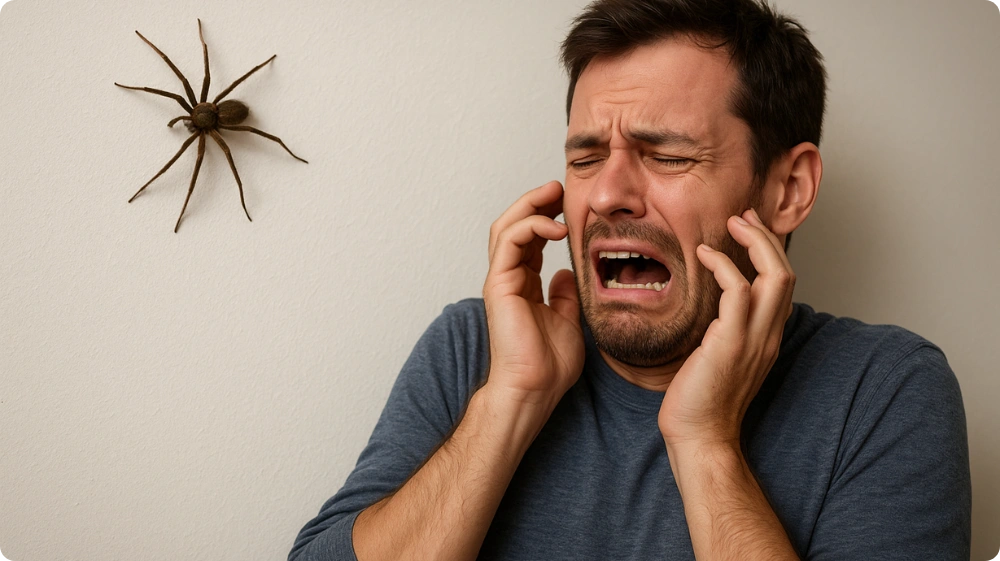
Entomophobia is an intense and irrational fear of insects. While many people may feel uneasy around bugs, those with entomophobia experience extreme anxiety, panic, and avoidance behaviours even at the sight or thought of insects. This fear can significantly interfere with daily life, especially in environments where insects are common.
The condition often develops from past traumatic experiences, learned behaviours, or underlying anxiety disorders. Common symptoms include sweating, a rapid heartbeat, nausea, and the urge to flee.
Overcoming entomophobia involves understanding its root cause and gradually desensitising oneself through exposure therapy, relaxation techniques, and professional help, such as cognitive-behavioural therapy (CBT). Educating oneself about insects and their limited threat to humans can also help reduce fear. With proper treatment and coping strategies, individuals can manage their anxiety and regain control over their reactions to insects.
Entomophobia, also known as insect phobia, is a specific type of anxiety disorder characterised by an intense, irrational, and persistent fear of insects. This fear goes beyond a typical dislike or discomfort; it triggers extreme emotional and physical reactions even when the insects pose no real threat.
Individuals with entomophobia may panic at the sight or sound of insects, or even when thinking about them. Common insects that provoke fear include ants, flies, cockroaches, and bees. In some cases, the fear extends to places where insects might be found, such as gardens, parks, or basements. As a result, those affected may avoid outdoor activities or specific environments altogether.
The origins of this phobia can vary. It may stem from traumatic experiences involving insects (like being stung or bitten), learned behaviours from parents or peers who also fear bugs, or underlying anxiety and control issues.
Phobias can take many forms, from the fear of public speaking to the fear of insects. Just like glossophobia can disrupt daily life, entomophobia can cause anxiety and avoidance behaviours. Learning strategies to manage glossophobia can provide helpful insights for coping with other specific fears, such as arachnophobia, or a fear of insects.
The fear of insects is common, ranging from mild discomfort to a severe phobia known as entomophobia. Many people feel uneasy or disgusted by bugs due to their unpredictable movements, but for some, this fear becomes overwhelming and disrupts daily life.
Research shows that a significant portion of the population experiences at least some fear of insects, making it one of the most prevalent specific phobias, alongside the concerns about snakes (ophidiophobia) and spiders (arachnophobia). This fear often begins in childhood and can persist into adulthood if not addressed.
Cultural factors, personal experiences, and the environment can all contribute to the intensity of this fear. While mild cases may just cause discomfort, severe entomophobia can result in avoidance behaviours and increased anxiety in situations involving insects.
The fear response in entomophobia is often triggered by sensory or emotional cues that remind an individual of insects or their potential encounters with them. Even harmless or distant exposure can provoke intense anxiety. Common triggers include:
Physical contact or proximity: Feeling an insect crawl on the skin, or even imagining it, can cause immediate panic.
Sounds: The buzzing or fluttering of wings, especially from bees, flies, or mosquitoes, can evoke fear and restlessness.
Visual cues: Seeing insects in real life, on television, or in pictures can trigger distressing reactions.
Thoughts or imaginations of infestation: The mere idea of insects inside the home or body can lead to obsessive fear and avoidance behaviours.
Past traumatic experiences: A painful bite, sting, or swarm encounter can create long-term associations of danger and disgust.
These triggers activate the body's "fight-or-flight" response, leading to symptoms such as a rapid heartbeat, sweating, trembling, and a strong urge to escape. Over time, repeated exposure to these triggers can reinforce avoidance behaviours, making the phobia more severe if left untreated.
The way society labels individuals can significantly impact mental health, leading to stress and social anxiety. Similarly, people with entomophobia often face misunderstandings that can heighten their fear and isolation. Understanding the effects of labelling can help us support those struggling with phobias.
Entomophobia can manifest through various emotional, physical, and behavioural symptoms, ranging from mild discomfort to severe panic attacks. Common indicators include:
Physical reactions: Rapid heartbeat, sweating, trembling, nausea, dizziness, or feeling paralysed with fear.
Emotional responses: Overwhelming anxiety, crying, or a sense of dread when encountering insects.
Behavioural responses: Avoiding places where insects may be present, refusing outdoor activities, or taking extreme precautions at home.
Cognitive triggers: Even thinking about insects, seeing images, or hearing conversations about them can provoke distressing reactions.
These symptoms can significantly impact a person's daily comfort, confidence, and overall quality of life, making ordinary activities such as gardening, cleaning, or social outings challenging for those affected.
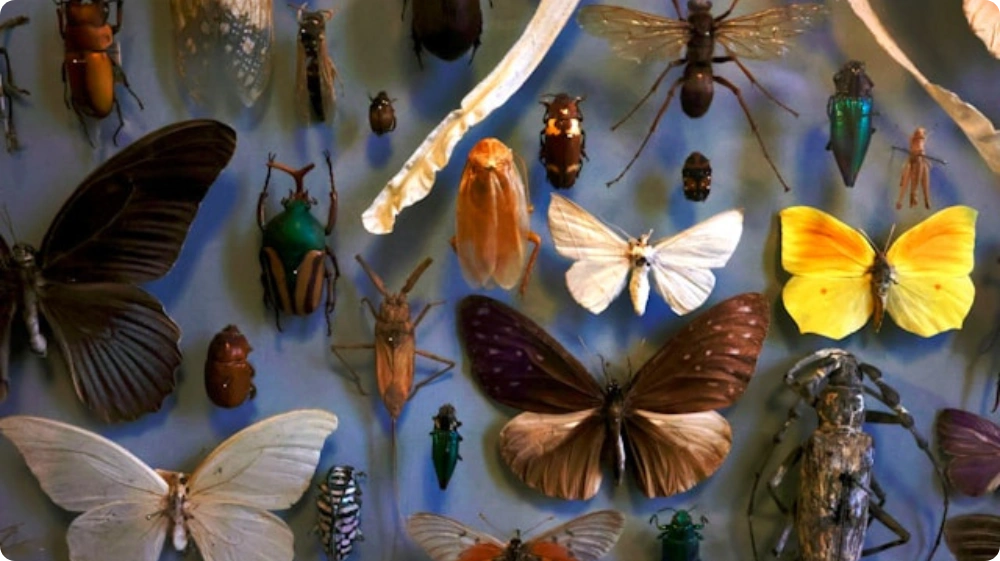
Entomophobia, the fear of insects, develops from a combination of psychological, social, and genetic factors. Traumatic experiences with insects in childhood, such as being bitten or stung, can create long-lasting fear associations. Additionally, individuals may learn to fear insects by observing others' fearful reactions or through media that portrays insects as dangerous.
Genetic predispositions and a naturally heightened sensitivity to perceived threats can further increase vulnerability to developing this phobia. Over time, avoidance behaviours, like avoiding areas where insects might be present, reinforce the fear, making the phobia more persistent. This combination of factors explains why some people experience intense reactions even to harmless insects.
Anxiety doesnt always end when the day does; it can affect sleep as well. People with entomophobia may experience heightened stress, which can lead to restless nights or stress dreams. Learning how to manage anxiety effectively can improve both sleep and daily functioning for those with phobias.
Entomophobia can significantly impact workplace performance and comfort. Employees with this phobia may experience anxiety and distraction at the sight or thought of insects, reducing their focus and productivity. Simple tasks, like entering storage areas or visiting outdoor sites, can become stressful.
This fear may lead individuals to avoid specific environments or tasks, limiting career opportunities and creating tension with colleagues. Frequent anxiety episodes can result in absenteeism and lower job satisfaction. Workplaces lacking support for mental health may further exacerbate stress, leaving affected employees feeling isolated.
By promoting awareness, providing accommodations, and ensuring access to mental health support, organisations can help employees manage entomophobia, maintain productivity, and feel more comfortable at work.
Entomophobia is the intense and irrational fear of insects. It goes beyond merely disliking bugs; it can significantly impact a person's emotional well-being, daily activities, and even their professional life. This phobia often arises from a combination of traumatic experiences, learned behaviours, and genetic predispositions. Triggers can include physical contact with insects, specific sounds, visual stimuli, or even thoughts about insects. Symptoms can range from mild discomfort to severe panic, and avoidance behaviours may reinforce the fear over time.
The effects of entomophobia extend beyond personal distress, affecting social interactions, outdoor activities, and work performance. However, with proper understanding, coping strategies, and professional help, such as cognitive-behavioural therapy and gradual exposure, individuals can learn to manage their fears. Educating oneself about insects and fostering supportive environments can further reduce anxiety, enabling people to regain confidence, fully engage in daily life, and overcome the limitations imposed by this phobia.
Entomophobia is an intense, irrational fear of insects that can cause extreme anxiety, panic attacks, or avoidance behaviours even when the insects pose no real threat.
Symptoms range from mild discomfort to severe panic, including rapid heartbeat, sweating, trembling, nausea, crying, and feeling paralysed with fear. Even seeing images or thinking about insects can trigger these reactions.
A combination of psychological, social, and genetic factors contributes to entomophobia. Traumatic experiences, learned behaviours, or a family history of anxiety disorders can increase the risk. Avoidant behaviour over time can also reinforce the phobia.
Triggers include seeing insects, hearing buzzing sounds, feeling an insect on the skin, imagining infestations, or recalling past traumatic encounters with bugs.
The phobia can limit outdoor activities, social interactions, and participation in the workplace. Individuals may avoid specific environments, which can lead to stress, isolation, and a reduced quality of life.



Courses
Upskill with job-ready training.
Mock Tests
Measure your learning progress.
Create an online video course, reach students across the globe and earn money