
You are holding your little one, whether a baby or a young child, worrying about their fever, when suddenly their tiny body starts to shake. It’s every parent’s worst nightmare, but in many cases, this frightening episode is what doctors call a febrile seizure. These seizures happen when a child’s temperature rises suddenly, often during a common illness such as a cold or ear infection.
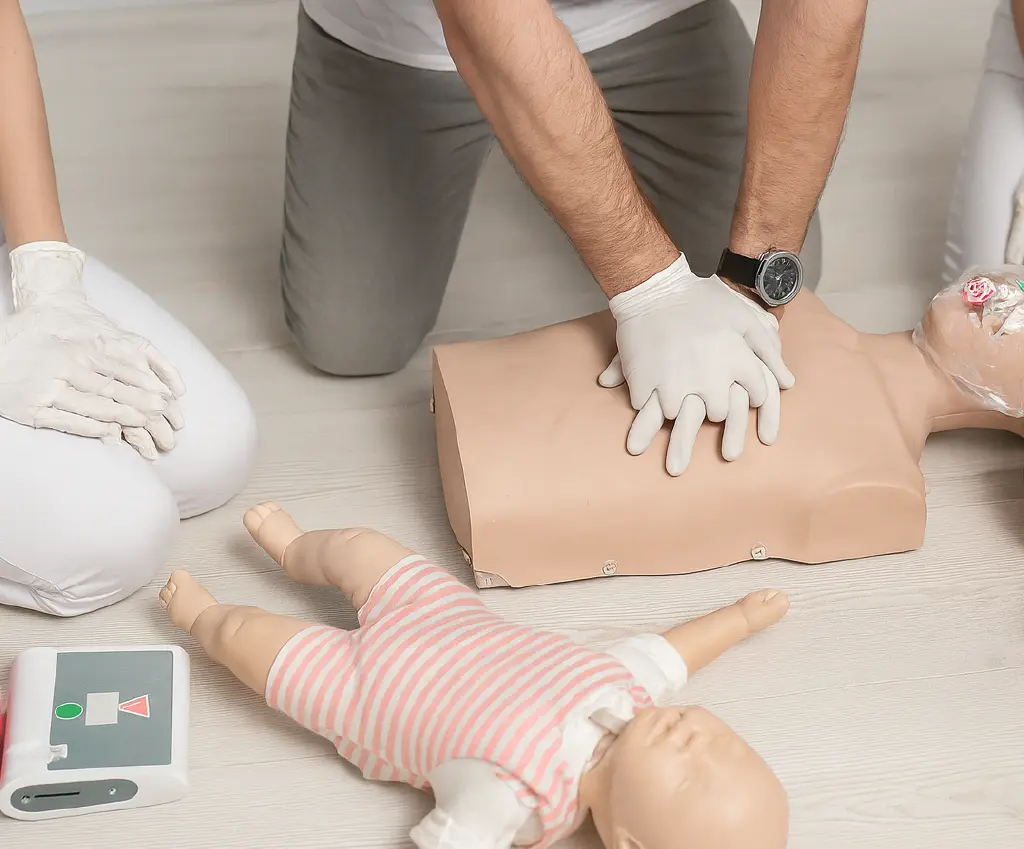
Febrile seizures may create significant anxiety, but they tend to be short episodes that rarely cause long-term consequences. Knowing how to identify a febrile seizure and what you should do in reaction can help to lessen the anxiety associated with it. With appropriate knowledge and a basic understanding of CPR, parents and caregivers will have increased confidence in protecting their children and in seeking assistance when needed.
What is a Febrile Seizure?
Febrile seizures occur in children when their temperature rises. These seizures are short-lived episodes of involuntary movement triggered by high temperatures. Febrile seizures are caused by high fever and not by anything wrong in the brain. Therefore, the majority of children with febrile seizures do not develop epilepsy or any long-term seizure diagnosis.
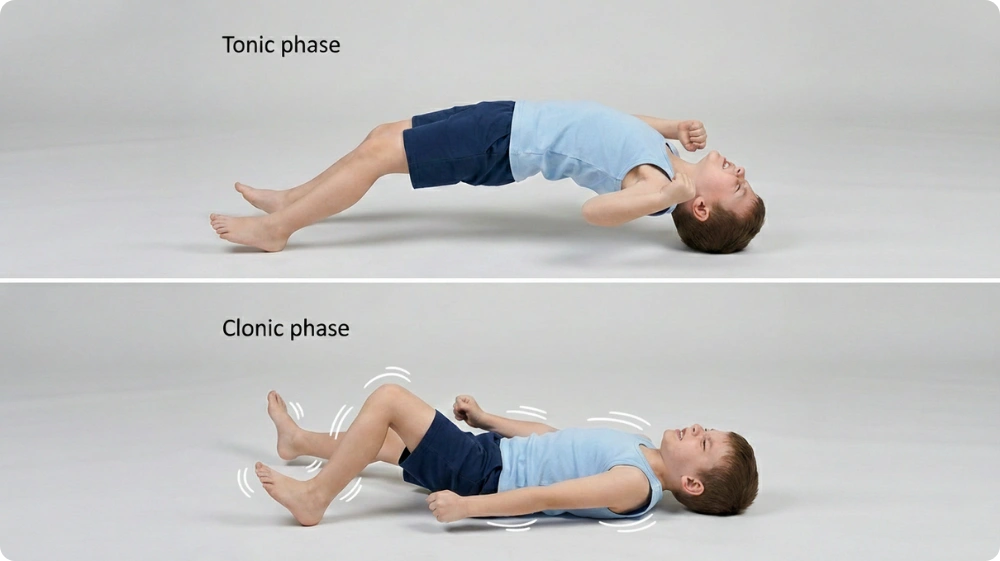
Febrile seizures typically occur once per illness episode and last only a few minutes, although they can feel much longer to parents. During a seizure, the child may stiffen, jerk, roll their eyes, or lose awareness for a short time. These movements are caused by the brain’s response to a sudden rise in body temperature, which temporarily disrupts regular electrical activity. It is essential to know that febrile seizures are not epilepsy, though you can read more about different types of seizures that can affect young children.
Most febrile seizures are short and harmless, and the child generally recovers fully within minutes. While seeing a seizure can be frightening, it does not mean the child is seriously ill or that their brain is damaged. Knowing this can help parents stay calm and act appropriately, ensuring their child’s safety while waiting for the seizure to pass.
At What Age Are Children Most at Risk?
Febrile seizures most often affect young children between 6 months and 5 years. The reason they are more common in this age group is that a child’s nervous system is still developing, making the brain more sensitive to rapid changes in body temperature.
According to NHS data, around 1 in 20 children will experience a febrile seizure at least once before they reach school age. They are most frequently seen in toddlers between 12 and 18 months, though they can occur at any time within the 6-month to 5-year window.
It’s important to remember that febrile seizures are extremely rare after the age of six, as the brain becomes less susceptible to fever-related electrical disturbances. Knowing the typical age range can help parents understand that these seizures, while alarming, are usually a normal response in young children’s developing brains rather than a sign of a serious neurological problem.
Common Causes of Febrile Seizures
The primary trigger for a febrile seizure is a sudden rise in body temperature, rather than the illness itself. This means that while many conditions can cause fever, the rapid increase in temperature can lead to a seizure in some children.
Some of the most common causes of fever in children include:
- Viral infections such as colds, flu, or ear infections
- Bacterial infections, such as throat infections or urinary tract infections
- Immunisations, for example, after the MMR (measles, mumps, rubella) vaccine, although this is rare
When looking at family history, it’s important to consider how febrile seizures could contribute to an increased risk of having febrile seizures, showing that genetic predisposition may exist in some children.
Also important is that it appears that how quickly a child’s body temperature rises will be more important than the maximum body temperature in determining whether a child experiences a seizure. Therefore, a child will have a high body temperature without having a seizure if the body temperature gradually increases over time; however, if the body temperature suddenly increases and then stabilises, this could lead to a seizure. Understanding the factors that may lead to febrile seizures will help parents stay alert and prepare to calmly handle one if it occurs.
Signs and Symptoms of Febrile Seizure
A febrile seizure can be frightening to watch, but recognising the signs can help you stay calm and respond appropriately. Common signs include:
- Sudden stiffening of the body: Your child’s muscles may tighten suddenly and become rigid.
- Jerking movements: The arms and legs may twitch or jerk rhythmically and uncontrollably.
- Loss of consciousness: Your child may become unresponsive for a short period.
- Eyes rolling back: It’s common for the eyes to roll back or appear fixed.
- Brief pause in breathing: Breathing may stop for a few seconds, which can be distressing but usually resolves quickly.
- Change in skin colour: The child’s face may appear pale or slightly blue during the episode.
- Drowsiness or confusion after the seizure: After the seizure, your child may seem sleepy, disoriented, or unusually irritable.
Most febrile seizures last only 1–2 minutes, even though they may feel longer for parents. Recovery usually happens quickly, and most children return to normal within a few minutes.
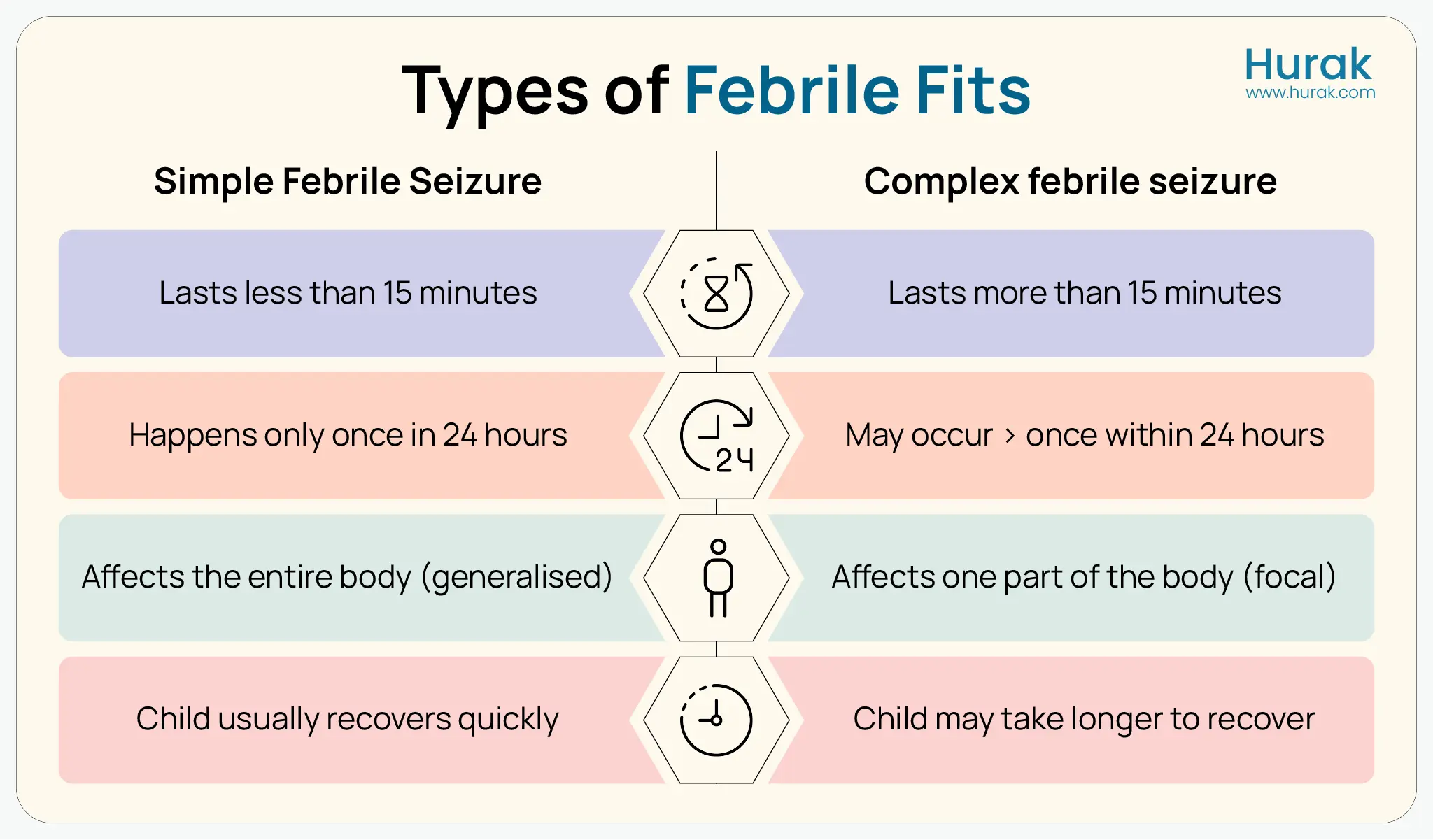
It is helpful to know the difference between the two main types of febrile seizures:
Simple febrile seizures
Short, they affect the whole body and usually occur only once during a single illness.
Complex febrile seizures
Longer than 15 minutes, may recur within the same illness, and can affect only one side of the body.
Parents should call emergency services immediately if the seizure lasts more than five minutes, the child has difficulty breathing, the seizure occurs without a fever, or the child does not regain consciousness quickly. Knowing these signs and symptoms can help carers respond calmly and safely during an unsettling event.
What to Do During a Febrile Seizure (First Aid Response)
Seeing your child have a febrile seizure can be frightening, but knowing how to respond calmly is crucial. Here’s a step-by-step guide for parents and carers:
- Stay calm and note the time. Timing the seizure helps doctors know how long it lasted.
- Lay the child on a flat surface. Ensure there’s enough space and remove any nearby objects to prevent injury.
- Turn them onto their side (in the recovery position). This helps keep the airway clear and prevents choking if they vomit.
- Do not restrain or put anything in their mouth. Children cannot swallow their tongue, and forcing objects into the mouth can cause harm.
- Once the seizure stops, allow your child to rest and cool naturally. Use light clothing and avoid cold baths, as rapid cooling is not recommended.
- Seek medical advice after the seizure, even if your child seems to have recovered. Your doctor may want to examine them to rule out any underlying illness.
Febrile Seizures Treatment and Recovery
Febrile seizures typically resolve on their own in children and do not result in any long-term problems. While febrile seizures may appear frightening, they seldom result in injury to the brain, and the vast majority of children do not suffer any other significant complications from febrile seizures.
The doctor may evaluate your child after a seizure. The evaluation is to check for the presence of underlying illnesses or infections, particularly in infants with very high temperatures, frequent febrile seizures, or abnormal symptoms. A doctor may order a blood or urine test to help identify potential infections in infants.
Fever-reducing medicines can help make your child more comfortable, though they do not prevent a seizure from happening.
If a seizure lasts more than five minutes or if multiple seizures occur in a short period, hospital observation may be recommended to ensure your child’s safety.
Parents are encouraged to keep a record of seizure details, including duration, symptoms, and possible triggers, to share with healthcare providers. This information can help doctors provide the most appropriate advice and reassurance for future episodes.
When to See a Doctor
While most febrile seizures are short and harmless, there are situations where immediate medical attention is essential. Call 999 or go to A&E if your child:
- Has a seizure that lasts more than five minutes
- Experiences breathing difficulties during or after the seizure
- Has a seizure without a fever
- Is under six months old
For urgent concerns, a regular GP check is recommended if your child:
- Experiences recurrent febrile seizure
- Takes longer than usual to recover after a seizure
- Shows any other symptoms that worry you or seem unusual
Seeking timely medical advice ensures your child’s safety and helps rule out more serious conditions. Even if the seizure appears minor, speaking with a healthcare professional can provide reassurance and guidance for the future.
Can Febrile Seizures Be Prevented?
Parents cannot prevent febrile seizures, which are the body’s natural response to a rise in fever caused by stress. While there is no way to completely prevent febrile seizures, parents can follow some simple steps to help their children manage febrile seizures and maintain a healthy state of overall health.
- To treat a fever, a parent should use individual doses of acetaminophen or ibuprofen according to NHS recommendations.
- Parents should also maintain their child’s hydration by encouraging them to drink fluids to reduce the severity of fever-related symptoms.
- When dressing a child, they should use appropriate clothing and avoid heavy blankets, as these can increase the child’s temperature.
- Finally, parents should have a contingency plan in place so that, if their child has another seizure, they will know exactly what steps to take immediately without panic.
Understanding febrile seizures, spotting early signs, and knowing what steps to take to handle them help parents care for their children with minimal stress and give them the confidence to manage them at that time.
Want to learn more about Febrile Seizure? Our First Aid courses offer complete training to help you handle critical situations. If you wish to improve your skills or workplace safety, these courses help build confidence and expertise. View our Emergency First Aid at Work (EFAW) and Level 3 First Aid at Work courses. These courses meet the UK legal requirements and help you keep people safe.
Conclusion
Febrile seizures can be alarming, but they are usually short, harmless, and affect only young children. Knowing the typical signs, causes, and first aid steps helps parents stay calm and act confidently. Most children recover fully, and serious complications are rare.
Key takeaways:
- Febrile seizures are triggered by a rapid rise in temperature, not by brain disease
- They are most common in children aged 6 months to 5 years
- Most seizures last 1–2 minutes and require no special treatment
- Always seek medical advice if the seizure is prolonged, repeated, or unusual
FAQs
Are febrile seizures dangerous?
Most febrile seizures are short and harmless. They rarely cause long-term problems or brain damage.
How long does a febrile seizure last?
Typically, 1–2 minutes, though it may feel longer. Seizures lasting more than 5 minutes need emergency help.
Can febrile seizures happen more than once?
Yes, a child may have recurrent febrile seizures, especially if they are under 5 years old or have a family history.
What should I do during a febrile seizure?
Stay calm, lay your child on a flat surface, turn them on their side, do not put anything in their mouth, and time the seizure. Seek medical advice afterwards.
Can febrile seizures be prevented?
They cannot be entirely prevented. Treat fever early, keep your child hydrated, avoid overdressing, and know how to respond if a seizure happens.
What are the signs and symptoms of a febrile seizure?
Common signs of a febrile seizure include sudden shaking, stiffness, loss of consciousness, and brief unresponsiveness.
At what age do febrile seizures happen?
They most often occur between 6 months and 5 years, with peak risk around 18 months.
What causes febrile seizures in children?
They’re triggered by a rapid rise in body temperature, usually from viral or bacterial infections.
More First Aid Courses to Build Your Confidence
Safety starts with preparation explore our additional first aid course that help you take control in emergencies and support others when it matters most. Whether you’re refreshing your skills or stepping up to an instructor level, there’s something here for you:
- Emergency First Aid at Work (1 Day): Focused on fast, effective first aid for common workplace accidents. Learn CPR, wound management, and how to respond effectively in emergency situations.
- First Aid at Work (3 Days): A full qualification that covers advanced first aid, record keeping, and compliance with UK safety laws. Perfect for designated workplace first aiders.
- First Aid at Work Refresher Training: Ideal for those who already hold a valid certificate and need to update their knowledge. Refreshes essential life-saving techniques and ensures continued compliance with HSE standards.
- First Aid at Work Requalification Course (FAWR): A concise two-day course designed for first aiders renewing their qualification. Reinforces critical skills and introduces the latest guidance in first aid practice.
- First Aid for Mental Health: Builds understanding of mental health first aid, including how to identify signs of stress, anxiety, or depression and provide supportive early intervention.