

If a person in the home has developed swollen cheeks or is experiencing pain after chewing, you may be concerned that it is just a virus, such as a cold. However, it could be a much more serious issue, so check for mumps. Mumps is a viral infection that primarily affects the salivary glands, causing swelling in the cheeks and jaw on either or both sides of the face.
While the MMR vaccination (measles, mumps, and rubella) has led to a decrease in MMR cases compared to years past, mumps still occurs today, particularly among unvaccinated individuals or those living in areas with low vaccination rates. You can be prepared to act calmly and protect your family from others by understanding how the virus spreads, identifying symptoms, and learning how to care for someone with mumps.
Although mumps is highly contagious, it is usually mild. Therefore, with appropriate treatment, most individuals will recover without complication. Let’s take an in-depth look at mumps, including what causes it, its symptoms, how to treat it, and how to prevent its spread.
What Is Mumps?
Mumps is a contagious viral infection caused by the mumps virus. It primarily affects the parotid glands, located near the ears and responsible for saliva production. When infected, these glands become swollen and tender, leading to the tell-tale “puffy cheeks” appearance.
Mumps can affect children, teenagers, and adults, although vaccination has significantly reduced its occurrence in recent years. The infection spreads easily through respiratory droplets, such as by coughing, sneezing, or even sharing utensils and drinks with an infected person. While mumps is usually not life-threatening, in rare cases, it can lead to complications such as inflammation of the brain, testicles, or ovaries.
What Causes Mumps & How It Spreads
Mumps is caused by the mumps virus, a member of the paramyxovirus family. It primarily affects the salivary glands, particularly the parotid glands, which are located near the angle of the jaw. It can be transmitted to others around the infected individual, including those in close proximity, either when the infected person expels saliva into the air (through coughing, sneezing, or talking) or by sharing utensils that have been in direct contact with Saliva.
How It Spreads from Person to Person
Mumps is highly contagious. The mumps virus is transmitted from one person to another, and the recipient can become infected. Therefore, unvaccinated people are more susceptible to mumps in crowded settings, such as schools, student hostels, or universities. When an individual is infectious, they can transmit the Mumps Virus for approximately 3 to 5 days after symptoms appear.
To help prevent spreading mumps:
- Stay home and avoid close contact with your family or friends for at least 5 days after the swelling begins.
- Cough or sneeze into a tissue; cover your mouth and nose with a tissue.
- Wash your hands frequently and don’t share personal Items like towels, cups, utensils, etc.
Mumps Symptoms
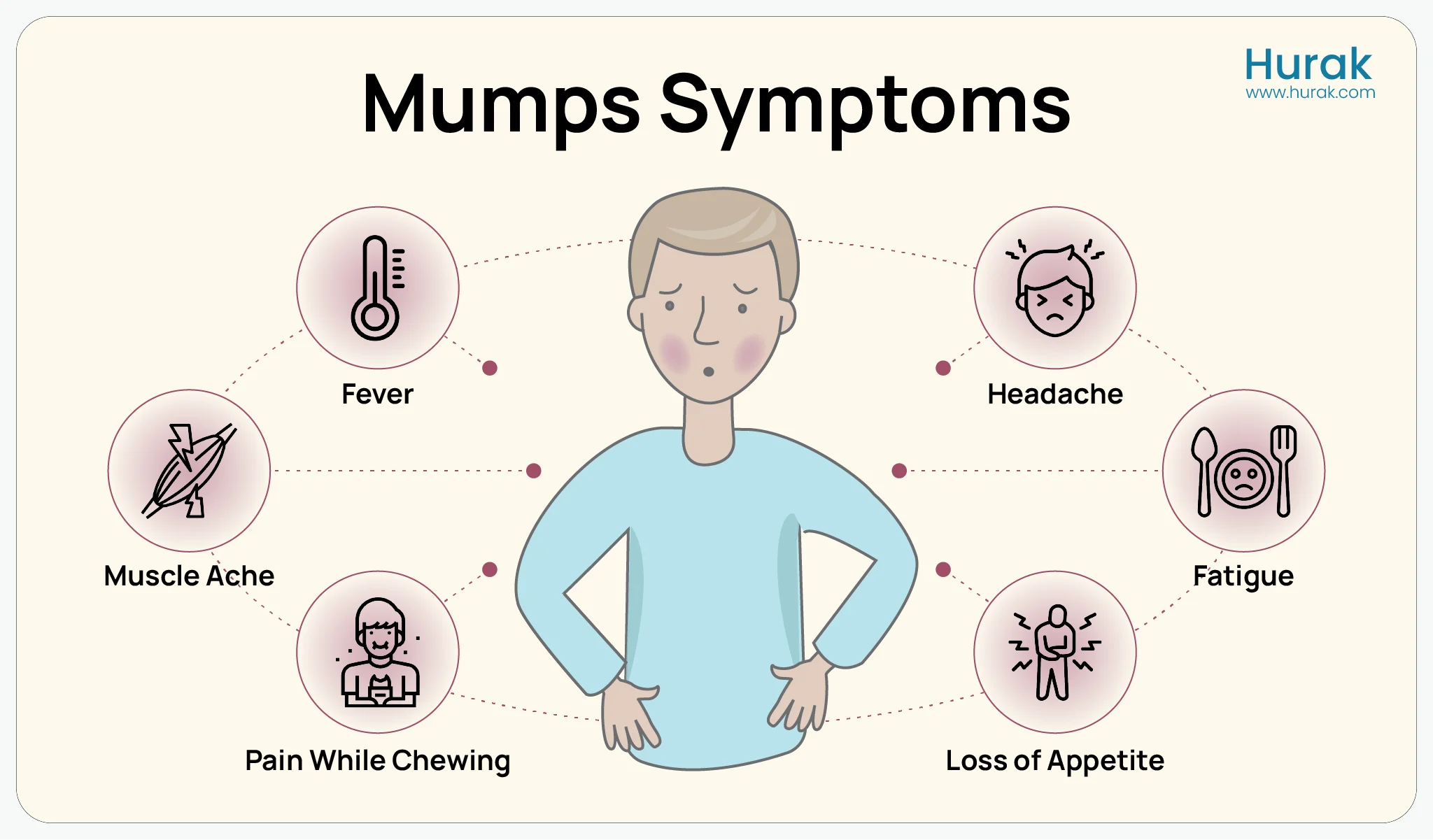
Mumps symptoms usually appear two to three weeks after exposure to the virus. In the early stages, it may resemble the flu, characterised by mild fever and fatigue. As the infection progresses, one of the most recognisable signs is swelling in the cheeks or jaw due to inflamed salivary glands (parotid glands).
Common Symptoms
The most typical signs and symptoms of mumps include:
- Swelling in one or both cheeks or the jaw (parotid glands): The hallmark symptom is puffiness and tenderness near the ears.
- Pain while chewing, swallowing, or talking: This is caused by the swollen glands pressing on nearby muscles and nerves.
- Fever and chills: Often appear before or alongside swelling.
- Headache and fatigue: Common as your body fights off the viral infection.
- Muscle aches and joint pain: Indicating your immune system’s response.
Loss of appetite: Due to discomfort and fever.
Less Common but Serious Complications
In some cases, mumps can lead to more serious complications, particularly in adults or those who aren’t vaccinated:
- Orchitis: Swelling and pain in one or both testicles (in males). This may cause tenderness and discomfort but rarely leads to infertility.
- Oophoritis: Ovarian inflammation (in females), which can cause abdominal pain and tenderness.
- Meningitis or encephalitis: Inflammation of the brain or its lining, leading to severe headache, neck stiffness, or confusion.
- Hearing loss: A rare but possible complication due to nerve inflammation.
Most people recover completely within a few weeks, but complications are more likely in adults than in children. If you experience severe pain, persistent fever, neck stiffness, or confusion, seek medical help immediately.
Mumps in Babies and Young Children
Mumps is rare in babies under one year old because they often carry temporary antibodies passed from their mothers. However, if exposed to the virus, infants may develop symptoms such as fever, irritability, loss of appetite, or mild facial swelling near the jaw or ears. These signs can be harder to detect in younger children.
Since babies cannot receive the MMR vaccine before 12 months, preventing infection depends on limiting exposure and ensuring all family members are fully vaccinated. Maintaining good hygiene, avoiding contact with infected individuals, and disinfecting shared surfaces also help protect infants.
If a baby shows swelling, high fever, or unusual fussiness, parents should consult a doctor immediately to confirm the cause and prevent complications. Early medical attention ensures safe care and peace of mind for families.
How Long Does Mumps Last?
The duration of mumps can vary from person to person, but in most cases, symptoms last between 7 to 10 days. The facial swelling and pain usually start to improve after the first week, though tiredness and mild discomfort may linger for a short while.
With plenty of rest, hydration, and supportive care, most people make a full recovery without complications. However, it’s essential to monitor symptoms, especially in young children, adults, or individuals with weakened immunity, and seek medical attention if the illness appears to worsen or last longer than expected.
When to See a Doctor
Contact a healthcare professional if you or your child experiences any of the following warning signs:
- Persistent high fever or severe pain
- Swelling in the testicles, abdomen, or face that worsens
- Stiff neck, confusion, or severe headache, which could indicate meningitis
- Symptoms lasting longer than 10 days without improvement
- Existing health issues or a weak immune system that increase complication risk
Mumps Treatment
There is no specific antiviral medicine for mumps. Treatment focuses on relieving symptoms and supporting the body’s recovery. Most people can manage the illness at home with supportive care and treatment.
Home Care Tips:
- Get plenty of rest: avoid strenuous activities until you feel better.
- Ease discomfort: Use over-the-counter pain relief.
- Apply warm or cold compresses to reduce facial swelling.
- Stay hydrated: drink water, soups, and juices to prevent dehydration.
- Eat soft foods: Smoothies, soups, and mashed foods are easier to chew when jaw pain is present.
If you notice severe pain, swelling in the testicles or abdomen, or prolonged fever, seek medical advice immediately. Doctors can provide guidance and rule out complications.
Prevention of Mumps
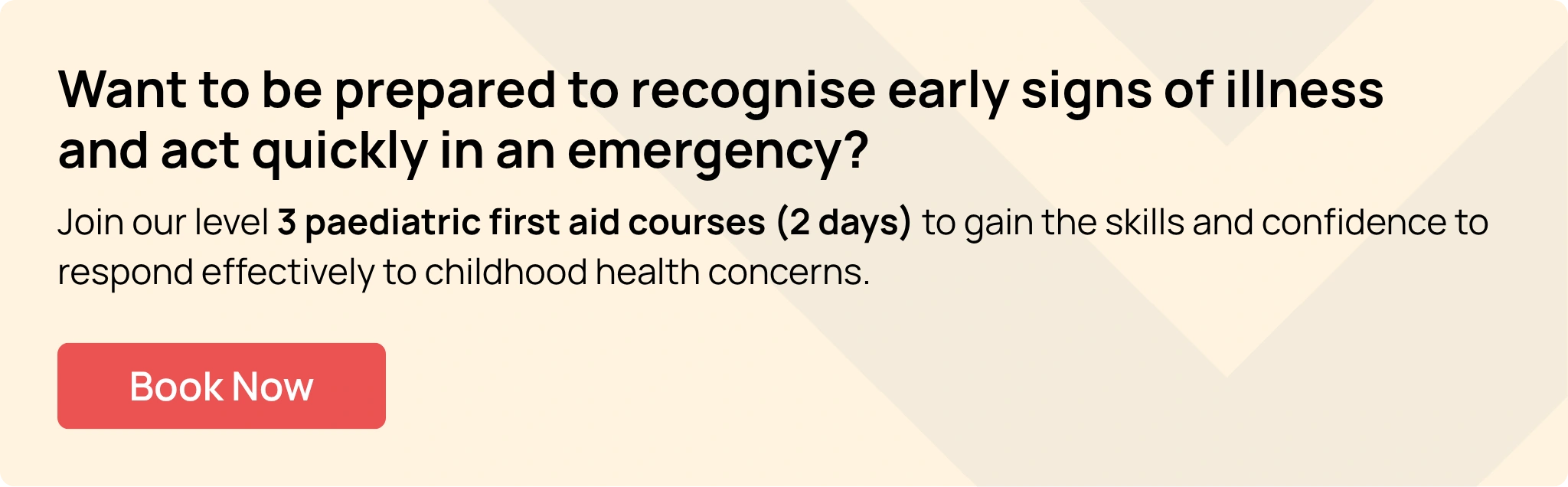
The best protection against mumps is the MMR vaccine, which is recommended by the World Health Organisation and guards against measles, mumps, and rubella. Two doses are recommended:
| Age Group | Recommended Dose | Notes |
| 12- 15 months | First dose | Start protection early |
| 4-6 years | Second dose | Ensures long-term immunity |
| Adults (unvaccinated or unsure) | Catch-up dose | Consult a healthcare provider |
Adults who haven’t received both doses or are unsure of their vaccination status should also consider getting vaccinated.
Mumps Prevention in Babies (Before 12 Months)
Babies younger than 12 months are too young to receive the MMR vaccine, so their protection depends on herd immunity and caregivers’ careful precautions. Parents and family members should ensure they are fully vaccinated, especially before contact with infants.
To lower the risk of infection in babies and young children:
- Wash your hands frequently with soap and water.
- Avoid sharing bottles, spoons, or towels.
- Keep sick individuals away from infants.
- Disinfect toys and common surfaces regularly.
- Cover your mouth and nose when coughing or sneezing.
- Keep children at home if they show any symptoms of illness.
These preventive steps reduce the risk of mumps spreading within families and childcare settings. Staying informed and maintaining vaccinations ensures that both babies and older children remain protected from this contagious infection, with different levels of first aid training and how each equips you to handle various health emergencies.
Is Mumps Contagious?
Yes, mumps is highly contagious. It can spread from three days before the swelling begins to about five days after it appears. During this period, infected individuals can easily pass the virus to others through droplets or direct contact.
To prevent spreading mumps:
- Stay home and avoid close contact with others for at least five days after swelling begins.
- Cover your mouth and nose when coughing or sneezing.
- Wash your hands frequently and avoid sharing personal items.
Conclusion
Mumps is a contagious but usually mild viral illness that can affect anyone, especially those who are unvaccinated. Recognising symptoms early, staying isolated during the contagious phase, and focusing on rest and hydration can help ensure a smooth recovery.
The MMR vaccine is the best defence against mumps, keeping not just individuals but entire families and communities safe. If symptoms appear, always consult a healthcare professional for proper guidance and care. Discover the benefits of first aid training and why every parent or carer should know how to manage sudden illnesses like mumps

Frequently Asked Questions
What is mumps?
Mumps is a viral infection that causes swelling in the salivary glands, leading to puffy cheeks and jaw pain.
What causes mumps?
It’s caused by the mumps virus, which spreads through respiratory droplets or saliva.
What are the main symptoms of mumps?
Swelling in the cheeks or jaw, fever, fatigue, headache, and pain while chewing.
How long does mumps last?
Symptoms typically last 7–10 days, though fatigue may persist slightly longer.
How is mumps treated?
There’s no specific cure; rest, fluids, and pain relief help ease symptoms.
Is mumps contagious?
Yes, it spreads easily through coughing, sneezing, or sharing utensils, especially a few days before and after swelling begins.
Explore More First Aid Training Options
Want to strengthen your emergency response skills? We offer several first aid training options suited for all experience levels — from beginners to professionals in high-risk industries:
- Emergency First Aid at Work (1 Day): Learn how to handle life-threatening situations quickly and calmly. Ideal for offices, shops, or anyone needing basic certification.
- First Aid at Work (3 Days): Gain in-depth knowledge of workplace first aid, including treating injuries, illnesses, and emergencies. Ideal for individuals taking on official first aid roles.
- First Aid at Work Refresher Training: Designed for qualified first aiders who want to renew their certification and keep their skills sharp. Covers key updates, new techniques, and regulation changes.
- Paediatric First Aid (2 Days): Focuses on the unique needs of babies and children. Learn CPR for infants, choking procedures, and how to manage allergic reactions.
- First Aid for Mental Health: Helps you identify early signs of mental health struggles and respond with empathy and understanding.
- First Aid at Work for Instructors Course: Ideal for experienced first aiders who want to teach others. Gain instructor-level knowledge and learn effective training delivery methods.