On This Page

July 21, 20264 min read
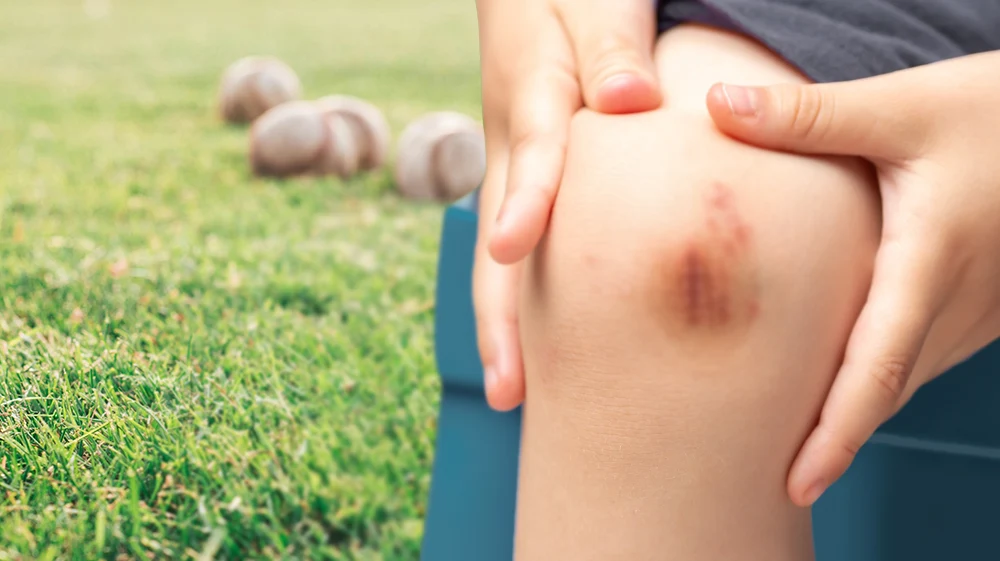
Bruising is not a disease but rather a response that the body gives to injury caused by impact, such as a fall. Information on the causes of bruising, optimal management techniques, how to deal with it, and how to minimise its appearance can be very helpful. Check out all the information presented here, including how best to treat bruises using first aid measures, natural cures, and treatments.
A bruise is caused by a tear in blood vessels beneath the skin. The trapped blood causes a bruise to be black, purple, or blue in colour, depending on the injury's healing stage. This process indicates that the blood vessels have been damaged, and you do not experience life-threatening pain when you get a bruise, but you should be more careful.
Generally, bruises can take between 7 to 14 days to disappear, depending on their size and the area of the body where they are found. Healing is characterised by colour changes from reddish or purplish-blue to greenish-yellow until the wound finally disappears. Minor bruising can heal much faster than larger or deeper ones, especially if the area is often used or can easily be bumped.
Immediate first aid can significantly reduce the severity of a bruise. These simple methods are able to increase the healing of bruises:
Rest and Protect: Do not apply pressure to the injured area to prevent further injury.
Elevate: If possible, keep the bruised area above heart level to decrease blood flow and swelling.
Apply Ice: Use an ice pack wrapped in a thin towel and leave it in place for 20 minutes. Repeat several times for a day or two after the injury. This helps reduce swelling and pain.
Compression: If the bruised area is swelling, put an elastic bandage around it, but ensure it;s not too tight.
Avoid Bandaging: You don't need to bandage a bruise if the skin isn't broken.
Pain Relief: Consider taking a nonprescription pain reliever if needed.
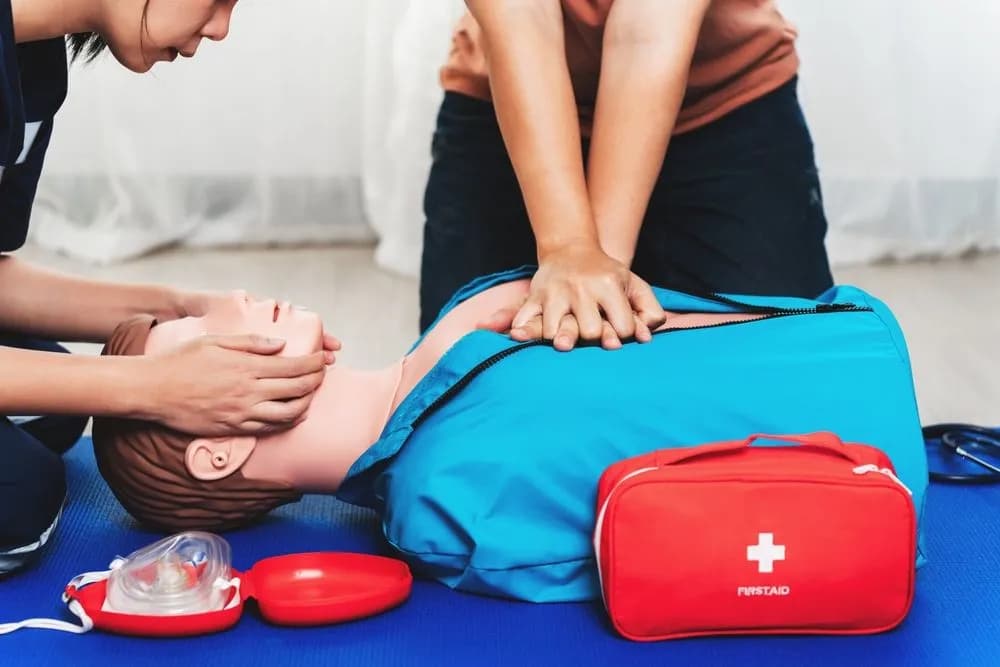
Learn to treat bruises more effectively. Our First Aid courses offer complete training to help you handle critical situations. Whether you want to improve your skills or workplace safety, these courses help build confidence and expertise. View our Emergency First Aid at Work (EFAW) and Level 3 First Aid at Work courses. These courses meet the UK legal requirements and help you keep people safe.
While there is no instant cure for bruises, the following tips can help in accelerating the healing process:
Warm Compresses: After 48 hours, switch to warm compresses to increase blood flow and promote healing.
Topical Treatments: Arnica gel or Vitamin K creams are popular for reducing discolouration and swelling.
Massage Gently: Lightly massaging the area can improve circulation, but avoid it if it causes pain.
Natural remedies can complement traditional methods for treating bruises. The following are some of the effective options:
Aloe Vera: Known for its anti-inflammatory properties, fresh aloe vera gel can soothe the skin and reduce swelling.
Apple Cider Vinegar: When mixed with water, it may be used to enhance circulation when applied gently to the bruise.
Turmeric Paste: Mix turmeric with water or honey and apply it to the bruise for its anti-inflammatory benefits.
Pineapple or Papaya: These fruits contain an enzyme called bromelain, which may help reduce swelling and promote healing when consumed or applied to the area.
Most bruises heal without medical intervention, but consult a healthcare professional if you:
Experience painful swelling of the bruised region.
Suspect a bruise has been caused by child abuse, domestic violence, or elder abuse.
I still have pain three days after a minor injury.
Have frequent, large, or painful bruises.
Notice bruising that appears without injury, which may be a sign of an autoimmune disease.
Have bruises that begin suddenly or seem to develop for no reason.
Have a personal or family history of easy bruising or bleeding.
Notice a lump over the bruise, which may be a sign of pooling blood, also called a hematoma.
Experience unusual bleeding, such as from the nose or gums.
Bruises are caused by minor injuries and do not require medical intervention. However, having first aid knowledge and practising self-treatment can alleviate pain and shorten the recovery period. Bruises can thus be treated early by strictly following the first aid precautions while looking out for any warning signs.
Courses
Upskill with job-ready training.
Mock Tests
Measure your learning progress.
Create an online video course, reach students across the globe and earn money