On This Page

July 20, 20269 min read
Opening a pub in the UK involves a few key steps, including obtaining the necessary licences and understanding legal requirements. Whether you're looking to operate a small pub or a large establishment, this guide will break down the process in simple terms, answering all your questions along the way. We'll explain what it takes to become a licensee, what licences you need, how to apply, and the responsibilities you'll have. Let's explore this topic in detail.
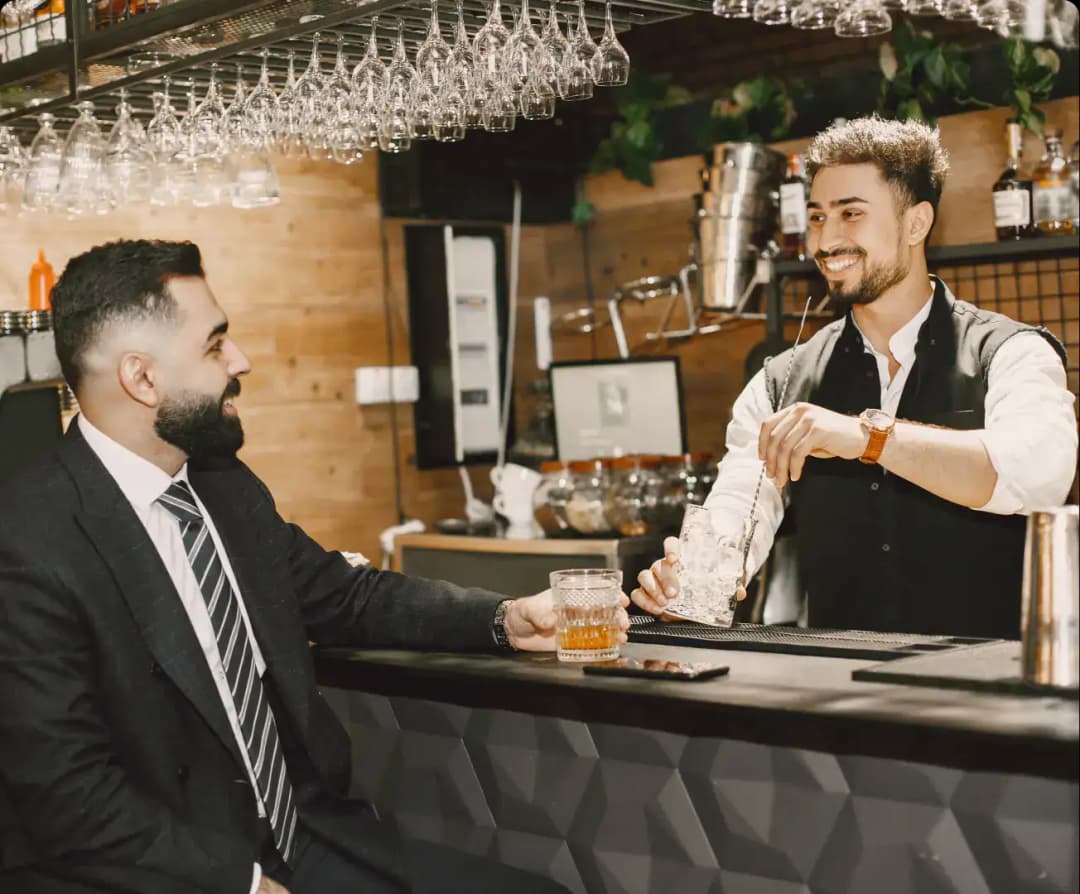
The term "licensee" refers to someone legally authorised to run a public house, such as a pub, bar, or other licensed premises. The licensee is responsible for ensuring that the pub complies with alcohol licensing laws and operates within the required guidelines. Their duties include:
Managing the sale of alcohol.
Ensuring the safety and well-being of customers.
Following health, safety, and fire regulations.
A pub owner owns the building or property, while a licensee is the person who holds the legal responsibility for running the pub and ensuring that it complies with laws. Sometimes, the pub owner and the licensee are the same person, but not always. The pub owner handles the property's assets, while the licensee ensures the legal aspects of the pubs operation are met.
To become a licensee, you must meet specific criteria. You need to:
Be over 18 years old.
Hold a Personal Licence, which requires training.
Have a clean criminal record, especially with no convictions related to alcohol or drugs.
These rules ensure that the person in charge of selling alcohol is responsible, trustworthy, and capable of managing a licensed establishment.
Running a pub legally requires more than just buying the property. You'll need to secure the proper licences, meet various legal requirements, and comply with regulations that ensure the safety of customers and the lawful operation of your business.
To operate a pub in the UK, you'll need two main licences:
Personal Licence For the individual responsible for selling alcohol.
Premises Licence For the pubs location itself, allowing the sale and consumption of alcohol.
Besides these, there are also other legal obligations like food safety, health and safety, and insurance that must be met.
Open Your Pub the Easy Way. Let Hurak Handle It All
From training to licensing, Hurak is your one-stop partner.
Complete your APLH Personal Licence training course
Let us apply for your premises licence too
We take care of the forms, DBS check, and council submission, so you can focus on getting your pub up and running.
Pubs require two primary licences to operate:
Personal Licence: This licence is necessary for anyone who will be in charge of selling alcohol. This includes anyone behind the bar, such as a bartender or manager. If you plan to serve alcohol, you must have this licence.
Premises Licence: This applies to the physical premises where the alcohol is sold. It is linked to the actual pub or venue and specifies when and how alcohol can be sold.
These licences ensure that the sale of alcohol is controlled and that the premises meet safety and regulatory standards.
In addition to the Personal and Premises Licences, depending on what your pub will offer, you may need additional permits:
Temporary Event Notices (TENs): If you plan to host special events, such as a festival or one-time party, you may need a TEN. This permit allows you to sell alcohol at these temporary events.
Music Licence: If you plan to play live or recorded music, you will need a music licence. This is typically required for any pub that hosts musical performances or even plays the radio.
These additional licences and permits allow you to legally host events and provide entertainment alongside your usual alcohol sales.
Yes, selling food in a pub is subject to food safety regulations. If you plan to sell food, you must:
Register your food business with the local council.
Ensure that your food meets health and safety standards.
Failure to comply with food safety laws can result in penalties or even the suspension of your Premises Licence.
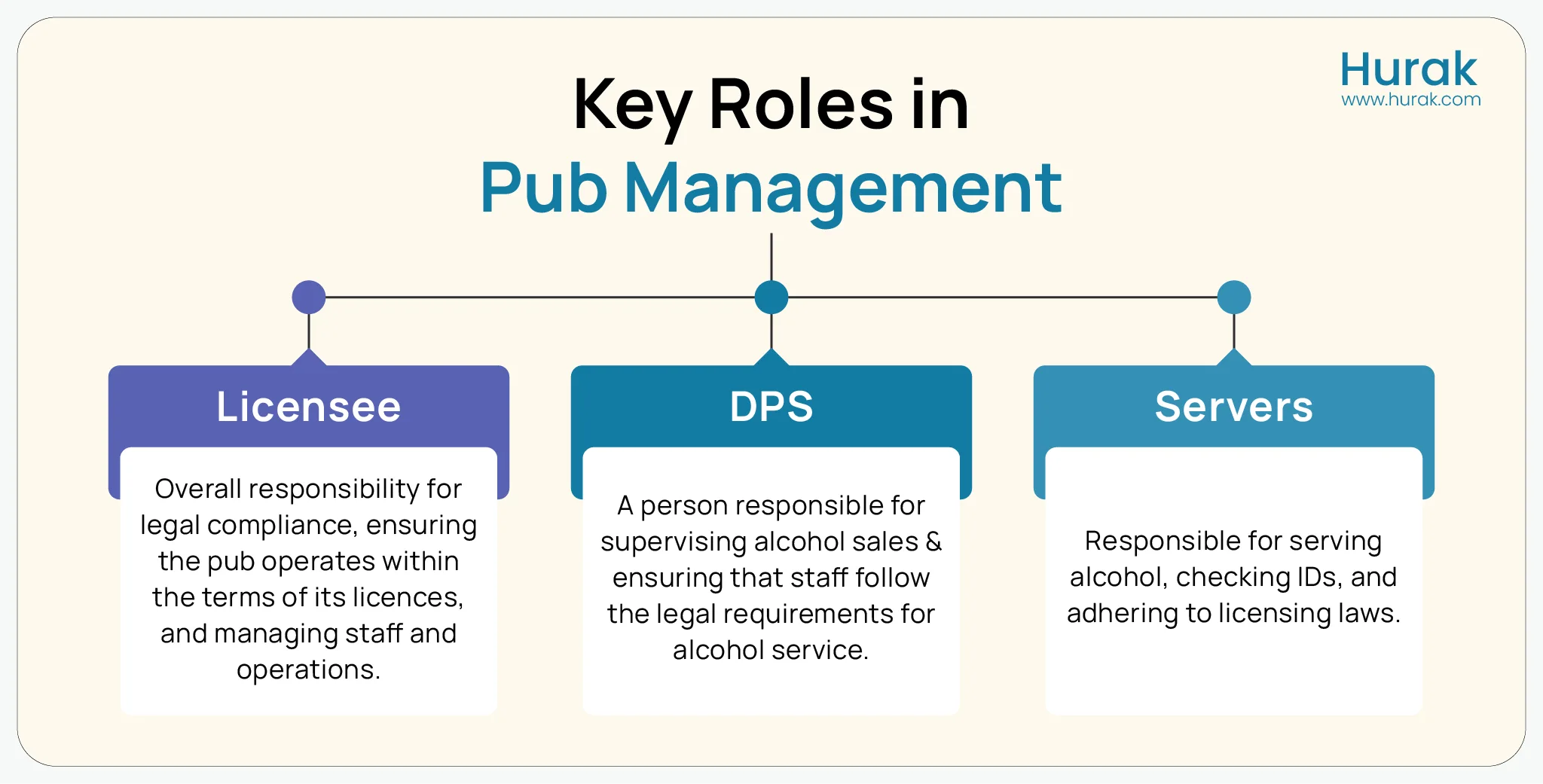
A Personal Licence allows you to supervise the sale of alcohol on licensed premises. The person holding the Personal Licence is legally responsible for ensuring the pub complies with all alcohol-related laws.
To apply for a Personal Licence:
Training: You must complete a training course called the Level 2 Award for Personal Licence Holders, which covers the legal responsibilities of the licensee and how to manage the sale of alcohol safely.
Criminal Record Check: You must pass a criminal record check to ensure you have no relevant criminal convictions.
Application: Once trained, you can apply to your local council for the Personal Licence.
This licence is crucial for anyone who will manage or supervise alcohol sales.
Watch How to Apply for a Personal Licence
The Premises Licence applies to the location of your pub. This licence ensures the premises meet all the required legal standards for alcohol sales. It covers things like:
Alcohol Sale Times: The hours when you can legally sell alcohol.
Safety Regulations: Ensuring fire exits, safety measures, and health regulations are met.
To apply for a Premises Licence, you need to:
Submit an application to the local council, including a floor plan of the pub.
Advertise the application to the public to give local residents the opportunity to object.
Once approved, the Premises Licence allows your pub to legally serve alcohol to customers during the specified hours.
A Designated Premises Supervisor (DPS) is a person who holds a Personal Licence and is responsible for the day-to-day management of the pub. The DPS ensures the pub complies with the terms of the Premises Licence.
Can one person be DPS for multiple pubs? Yes, it's possible for one person to be the DPS for more than one pub, but they must be able to manage the responsibilities effectively.
To help clarify the key roles involved in pub management, we've created an infographic that breaks down the responsibilities of the Licensee, Designated Premises Supervisor (DPS), and other essential staff. Understanding these roles is crucial for ensuring compliance with licensing laws and smooth operations. Take a look at the visual representation below to better grasp the hierarchy and responsibilities within a pub.
If you plan on hosting one-off events like a wedding, festival, or special party, you may need a Temporary Event Notice (TEN). This notice allows you to sell alcohol for a short period of time, beyond the regular opening hours covered by your Premises Licence.
If you plan to play live music, recorded music, or even music from a radio or TV, you'll need a music licence. This licence is provided by PRS for Music or PPL and covers the legal use of music in your pub. Without it, you may face fines or other penalties.
TV Licence: If your pub shows TV or broadcasts live sports, you'll need a TV Licence to legally show these programmes to customers.
Gambling Licence: If your pub includes gaming machines or hosts betting activities, you will need a gambling licence.
Each of these licences ensures that your pub operates within the law and that you are correctly licensed for all activities taking place at your venue.
Becoming a licensee of a public house in the UK requires understanding and following several legal steps, including obtaining the correct licences. The Personal Licence and Premises Licence are the two key licences you need to operate a pub legally. Additionally, you may need other permits depending on your activities, such as selling food, hosting events, or playing music. By following the legal processes and obtaining the necessary licences, you can open a pub that not only provides excellent service but also operates within the law.
Getting licensed can feel overwhelming, but we're here to simplify it for you.
Step 1: Complete Your APLH Training
This training course is mandatory if you want to apply for a personal licence. You'll learn the essentials of alcohol laws and safe service.
Step 2: Let Hurak Apply for Your Personal Licence
Once your training is done, we'll take care of the personal licence application, including the DBS check, paperwork, and council forms.
Step 3: We'll Also Handle Your Premises Licence
If you're opening a licensed venue, we'll apply for your premises licence too. One less thing to worry about.
Let Hurak guide you through every step simply, clearly, and without stress.
A licensee is the person legally responsible for managing a pub or bar. They ensure the establishment complies with alcohol licensing laws and regulations and are typically in charge of the day-to-day running of the venue.
You need two main licences:
Personal Licence: Required for anyone managing the sale of alcohol.
Premises Licence: Applies to the pub's location and allows alcohol sales during specific times.
To apply for a Personal Licence, you must:
Complete the Level 2 Award for Personal Licence Holders course.
Pass a criminal record check.
Submit an application to your local council.
The DPS is the individual responsible for managing the sale of alcohol at the pub. They must hold a Personal Licence and ensure the pub complies with licensing laws.
Yes, if you plan to sell food, you must comply with food safety regulations. This includes registering your food business with the local council and meeting health and safety standards.
Yes, it is possible for one person to be the DPS for more than one pub, but they must be capable of managing the responsibilities for each venue effectively.
A TEN allows you to sell alcohol at one-off events, such as weddings or parties. It is valid for a short period and can be used when hosting special events outside the usual hours of operation.
If you plan to play live music, recorded music, or even broadcast music on a radio or TV, you will need a music licence from PRS for Music or PPL.
Courses
Upskill with job-ready training.
Mock Tests
Measure your learning progress.
Create an online video course, reach students across the globe and earn money